
≥99%
50-56-6
1007.19 g/mol
Oxytocin
Oxytocin is a 9-amino acid cyclic neuropeptide supplied as a lyophilized reference standard for in-vitro receptor-binding assays, structural studies, and analytical method validation. Not for use in any living organism.
Minimum order: 10 units per compound, across any mix of sizes.



Pay with Visa, Mastercard, or AMEX · ACH bank transfer saves 5%
Cold-chain shipping via UPS, with tracking provided. Freight and lead time are confirmed on your quote.
Third-party tested
Supplied to qualified labs and institutional buyers. Institutional use & buyer eligibility
Characteristics
| Property | Value |
|---|---|
| Molecular Formula | C₄₃H₆₆N₁₂O₁₂S₂ |
| CAS Number | 50-56-6 |
| Molar Mass | 1007.19 g/mol |
| Amino Acid Sequence | Cys-Tyr-Ile-Gln-Asn-Cys-Pro-Leu-Gly-NH₂ (disulfide bond Cys1-Cys6) |
| Synonyms | Oxytocin, Pitocin, OXT, Syntocinon |
| Physical Form | Lyophilized powder |
| Solubility | Soluble in water and dilute acetic acid |
| Organoleptic Profile | White lyophilized powder; odorless |
| Purity | ≥98% by HPLC |
| Storage Conditions | Store lyophilized at -20°C; reconstituted solution stable at 2-8°C for up to 7 days |
How is Oxytocin Used in Research?
Oxytocin is a 9-amino acid cyclic neuropeptide supplied as a lyophilized reference standard for in-vitro receptor-binding assays, structural studies, and analytical method validation. The disulfide-bridged nonapeptide (Cys-Tyr-Ile-Gln-Asn-Cys-Pro-Leu-Gly-NH₂) was the first peptide hormone chemically synthesized (du Vigneaud, 1953) and is a foundational reference compound in peptide chemistry. Not for use in any living organism.
Laboratory workflows profile oxytocin in oxytocin-receptor (OXTR) binding assays on recombinant OXTR expression systems, with standard readouts including competitive radio-ligand binding, IP1 accumulation, and calcium-flux panels. The compound is routinely used as an identity and purity reference in HPLC and LC-MS method development.
Researchers apply oxytocin as an analytical reference standard for structural characterization (NMR, mass spectrometry, circular dichroism of the disulfide bridge), for receptor-selectivity profiling against vasopressin V1a/V1b/V2 receptor panels, and as a historical synthesis reference in peptide-chemistry teaching and method-validation laboratories.
This product is supplied in a lyophilized form and requires reconstitution prior to laboratory handling. For research and laboratory use only. Not for human or veterinary consumption.
Areas of Study
In-Vitro Receptor-Binding Assays
Used as a reference OXTR ligand in competitive binding and functional (IP1, calcium-flux) assays on recombinant receptor systems.
Structural Studies
Characterized by NMR, mass spectrometry, and circular dichroism to profile the disulfide bridge and cyclic secondary structure.
Analytical Method Validation
Serves as an identity and purity reference standard in HPLC and LC-MS method development and validation workflows.
Receptor Selectivity Profiling
Applied in multi-receptor panels to profile OXTR selectivity against vasopressin V1a/V1b/V2 receptor families.
Peptide-Chemistry Reference
Historical synthesis reference standard used in peptide-chemistry method development and teaching laboratories.
References
- [1]Lee HJ, Macbeth AH, Pagani JH, Young WS 3rd. (2009). Oxytocin: the great facilitator of life. Progress in Neurobiology, 88(2), 127-151.
- [2]Gimpl G, Fahrenholz F. (2001). The oxytocin receptor system: structure, function, and regulation. Physiological Reviews, 81(2), 629-683.
- [3]Meyer-Lindenberg A, Domes G, Kirsch P, Heinrichs M. (2011). Oxytocin and vasopressin in the human brain: social neuropeptides for translational medicine. Nature Reviews Neuroscience, 12(9), 524-538.
- [4]Guastella AJ, Einfeld SL, Gray KM, et al. (2010). Intranasal oxytocin improves emotion recognition for youth with autism spectrum disorders. Biological Psychiatry, 67(7), 692-694.
- [5]Du Vigneaud V, Ressler C, Trippett S. (1953). The sequence of amino acids in oxytocin, with a proposal for the structure of oxytocin. Journal of Biological Chemistry, 205(2), 949-957.
Disclaimer: The information provided is for research reference only and does not constitute medical advice. Products are sold strictly for in-vitro research use.
Certificate of Analysis (COA)
Third-Party Verified Quality
Every batch of Oxytocin is independently tested by an A2LA-accredited (ISO 17025:2017) third-party laboratory using HPLC-UV/VIS for purity and measured quantity. Each COA carries the lab's signed report and a batch-specific lot number. We publish these results publicly so you can verify exactly what you're getting.
View Lab ResultsRelated Products
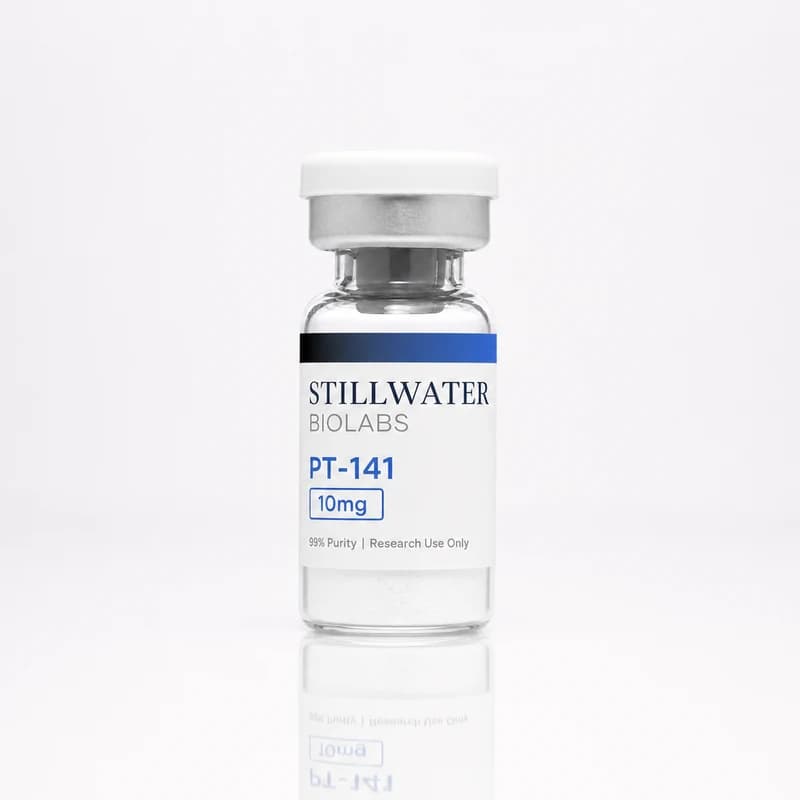
PT-141
10mg
Bremelanotide. A melanocortin (MC1R/MC4R) receptor agonist supplied as a lyophilized reference standard for in-vitro receptor-binding assays and analytical characterization. Not for use in any living organism.
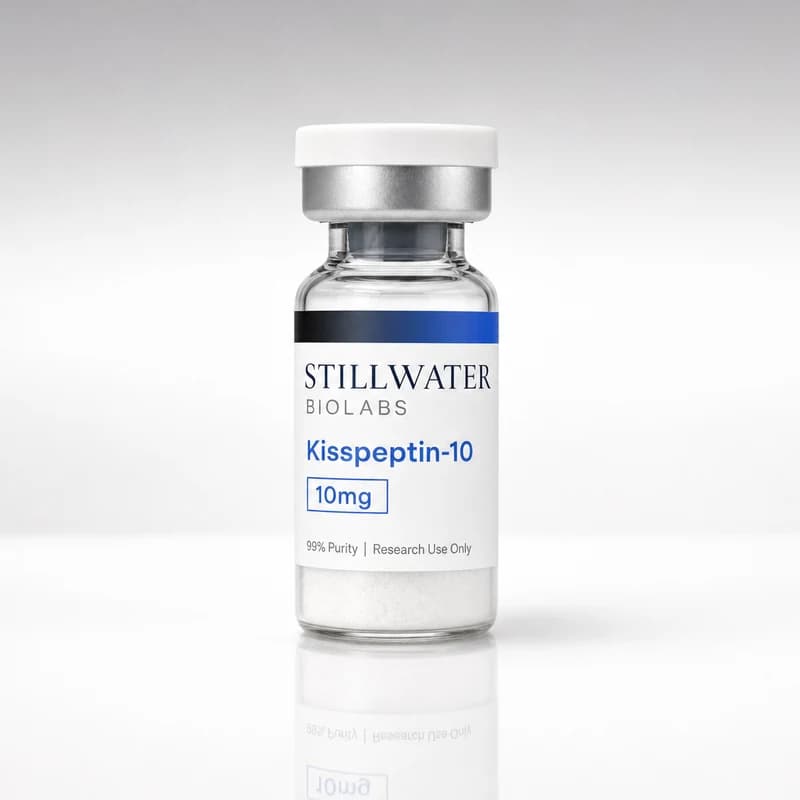
Kisspeptin-10
5mg
A decapeptide fragment of kisspeptin studied for reproductive function and GnRH signaling.
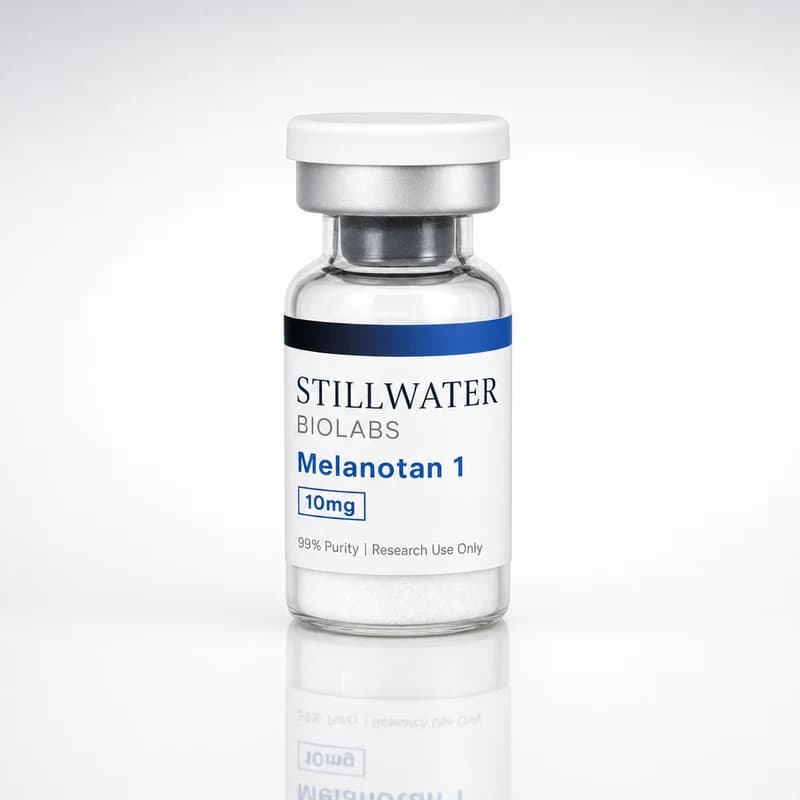
Melanotan 1
10mg
A synthetic α-MSH analog supplied as a lyophilized reference standard for in-vitro melanocortin-receptor research (MC1R-selective profile in preclinical models).
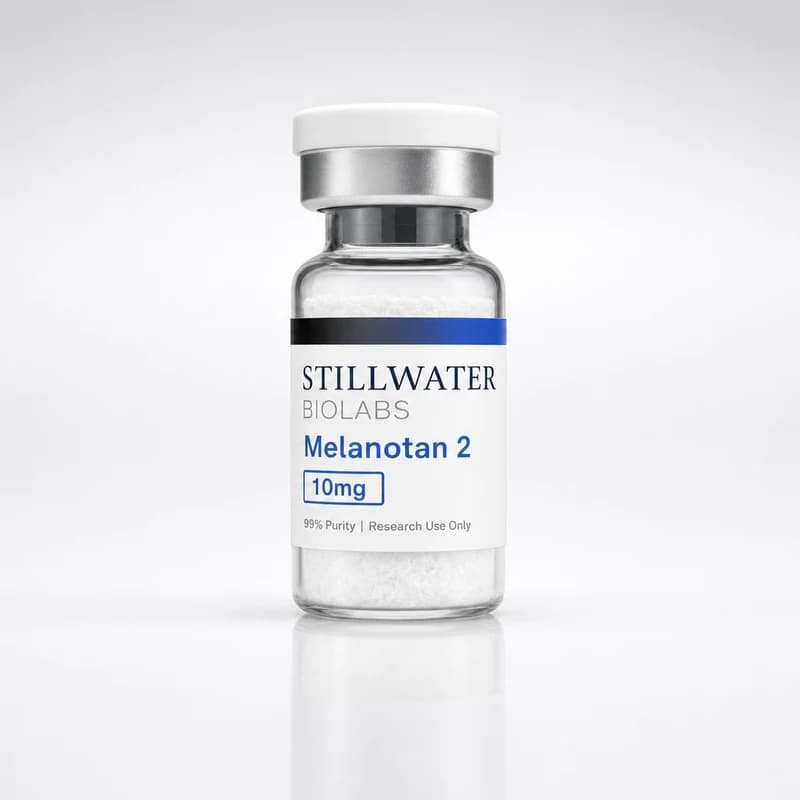
Melanotan 2
10mg
A cyclic synthetic α-MSH analog supplied as a lyophilized reference standard for in-vitro melanocortin-receptor research across MC1R / MC3R / MC4R selectivity panels.
Frequently Bought Together
Oxytocin
5mg
Request pricing
PT-141
10mg
Request pricing
Kisspeptin-10
5mg
Request pricing