
≥99%
53-84-9
663.43 g/mol
NAD+
Nicotinamide adenine dinucleotide (NAD+). A coenzyme reference standard supplied for in-vitro cell-culture and analytical method-development research. Not for use in any living organism.
Minimum order: 10 units per compound, across any mix of sizes.



Pay with Visa, Mastercard, or AMEX · ACH bank transfer saves 5%
Cold-chain shipping via UPS, with tracking provided. Freight and lead time are confirmed on your quote.
Third-party tested
Supplied to qualified labs and institutional buyers. Institutional use & buyer eligibility
Characteristics
| Property | Value |
|---|---|
| Molecular Formula | C₂₁H₂₇N₇O₁₄P₂ |
| CAS Number | 53-84-9 |
| Molar Mass | 663.43 g/mol |
| Synonyms | Nicotinamide adenine dinucleotide, NAD⁺, Coenzyme I, DPN (diphosphopyridine nucleotide) |
| Physical Form | Lyophilized powder |
| Solubility | Freely soluble in water |
| Organoleptic Profile | White to yellowish hygroscopic powder; odorless |
| Storage Conditions | Store lyophilized at -20°C; protect from light and moisture; reconstituted solution stored at 2-8°C |
| Composition | Lyophilized NAD⁺ (oxidized form) |
How is NAD+ Used in Research?
Nicotinamide adenine dinucleotide (NAD⁺) is a critical coenzyme found in every living cell, serving as a central mediator of cellular energy metabolism and a substrate for key signaling enzymes. NAD⁺ participates in over 500 enzymatic reactions, functioning as an electron carrier in glycolysis, the tricarboxylic acid (TCA) cycle, and oxidative phosphorylation. Beyond its role as a redox cofactor, NAD⁺ serves as a consumed substrate for sirtuins (SIRT1-7), poly(ADP-ribose) polymerases (PARPs), and CD38/CD157 ectoenzymes — all of which play critical roles in DNA repair, gene expression regulation, calcium signaling, and immune-cell research markers.
Research has established that NAD⁺ levels decline significantly with age, a phenomenon now recognized as a hallmark of aging biology. This decline is attributed to increased NAD⁺ consumption by activated PARPs and CD38 (which increase with chronic inflammation and DNA damage), combined with reduced biosynthesis. The resulting NAD⁺ depletion impairs sirtuin function — particularly SIRT1 and SIRT3 — leading to mitochondrial dysfunction, decreased oxidative metabolism, increased oxidative stress, and accelerated aging phenotypes. This understanding has positioned NAD⁺ repletion as a major research focus in geroscience.
Preclinical studies have demonstrated that restoring NAD⁺ levels — whether through direct NAD⁺ supplementation or via precursors like NMN and NR — reverses many age-related metabolic dysfunctions in animal models. Research by Sinclair and colleagues showed that NAD⁺ repletion in aged mouse research models restored mitochondrial-function markers to youthful-control levels and shifted muscle-function and metabolic-parameter readouts in preclinical studies. Preclinical and research studies investigating NAD⁺ and its precursors are ongoing, exploring applications in metabolic disease models, neurodegeneration, cardiovascular research, and aging biology.
This product is supplied in a lyophilized form and requires reconstitution prior to laboratory handling. For research and laboratory use only. Not for human or veterinary consumption.
Areas of Study
Cellular Energy Metabolism
Essential coenzyme in over 500 enzymatic reactions including glycolysis, TCA cycle, and oxidative phosphorylation for ATP production.
Sirtuin Activation & Epigenetics
Serves as consumed substrate for SIRT1-7 deacetylases, which regulate gene expression, DNA repair, mitochondrial biogenesis, and stress response.
Age-Related NAD⁺ Decline
Documented age-dependent decline in NAD⁺ levels recognized as a hallmark of aging, driven by increased CD38 and PARP activity.
Mitochondrial Function
NAD⁺ repletion has been shown to restore mitochondrial function and reverse age-related metabolic decline in preclinical models.
DNA Repair
PARP enzymes consume NAD⁺ to facilitate DNA damage repair; NAD⁺ depletion impairs genomic maintenance capacity.
Neuroprotective Assay Models
Investigated for cytoprotection in preclinical cell cultures against neurodegeneration markers through enhanced mitochondrial function and reduced neuroinflammatory markers.
References
- [1]Yoshino J, Baur JA, Imai S. (2018). NAD⁺ intermediates: the biology and therapeutic potential of NMN and NR. Cell Metabolism, 27(3), 513-528.
- [2]Gomes AP, Price NL, Ling AJY, et al. (2013). Declining NAD⁺ induces a pseudohypoxic state disrupting nuclear-mitochondrial communication during aging. Cell, 155(7), 1624-1638.
- [3]Camacho-Pereira J, Tarrago MG, Chini CCS, et al. (2016). CD38 dictates age-related NAD decline and mitochondrial dysfunction through an SIRT3-dependent mechanism. Cell Metabolism, 23(6), 1127-1139.
- [4]Verdin E. (2015). NAD⁺ in aging, metabolism, and neurodegeneration. Science, 350(6265), 1208-1213.
- [5]Rajman L, Chwalek K, Sinclair DA. (2018). Therapeutic potential of NAD-boosting molecules: the in vivo evidence. Cell Metabolism, 27(3), 529-547.
Disclaimer: The information provided is for research reference only and does not constitute medical advice. Products are sold strictly for in-vitro research use.
Certificate of Analysis (COA)
Third-Party Verified Quality
Every batch of NAD+ is independently tested by an A2LA-accredited (ISO 17025:2017) third-party laboratory using HPLC-UV/VIS for purity and measured quantity. Each COA carries the lab's signed report and a batch-specific lot number. We publish these results publicly so you can verify exactly what you're getting.
View Lab ResultsRelated Products
 Popular
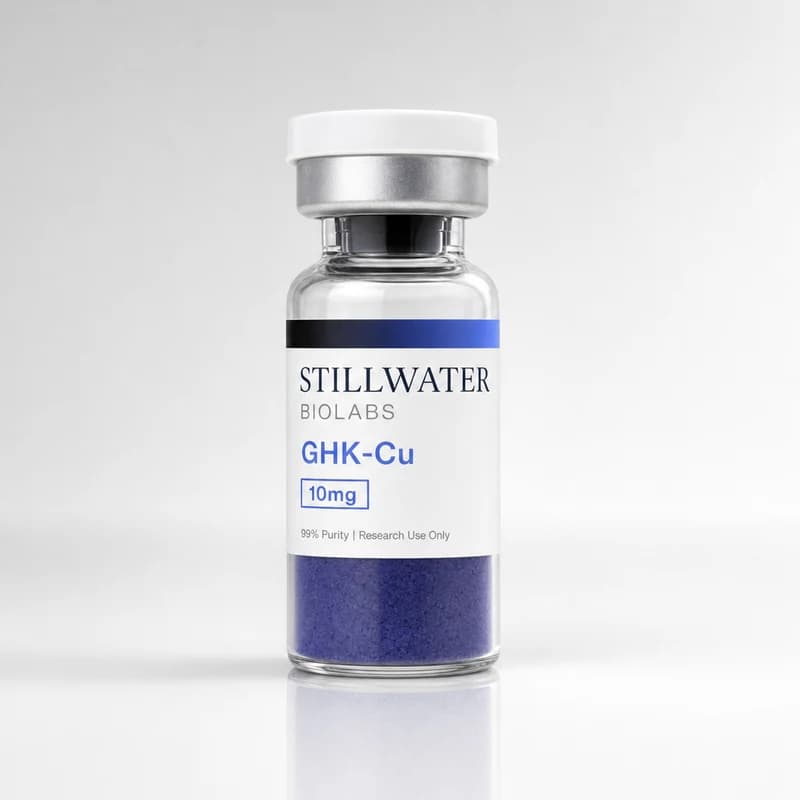
GHK-Cu
50mg – 100mg
Copper peptide GHK-Cu. Studied in collagen/ECM assay models, in-vitro wound-assay outcomes, and antioxidant-enzyme-induction research.
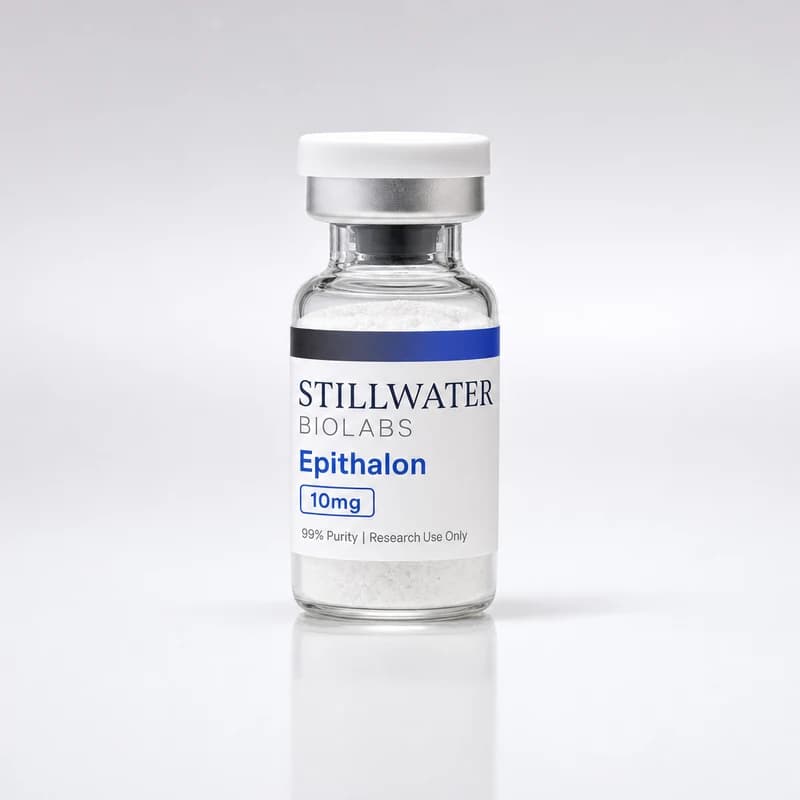
Epithalon
10mg – 50mg
A synthetic tetrapeptide studied for telomerase-activation assays and cellular-senescence research mechanisms.
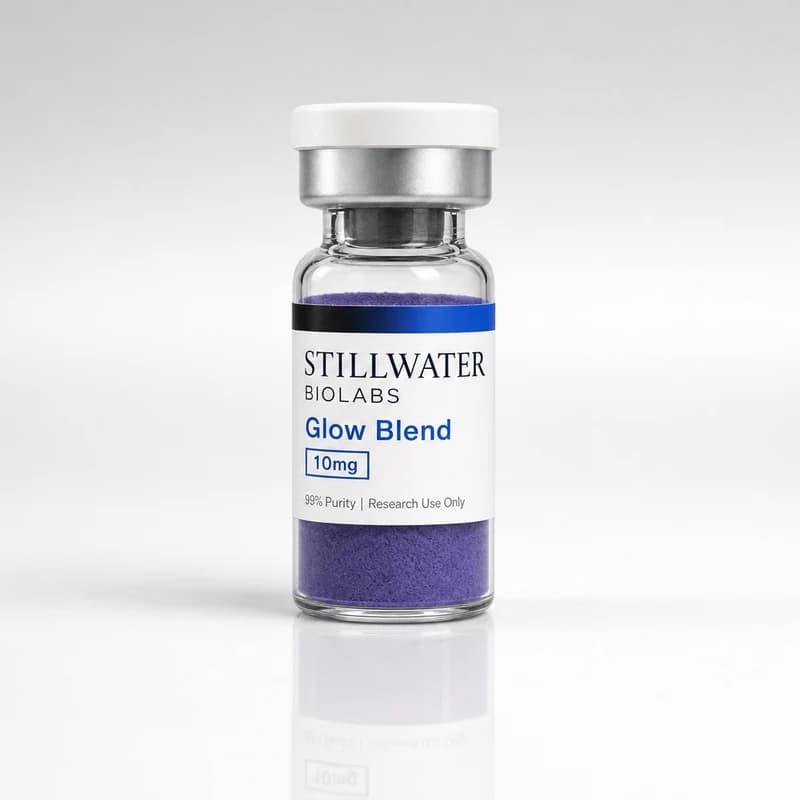
Glow Blend
70mg (10mg BPC + 10mg TB + 50mg GHK)
A lyophilized blend of BPC-157 (15 aa), TB-500 (43 aa), and GHK-Cu (copper tripeptide complex) supplied for in-vitro extracellular-matrix and copper-binding assays.
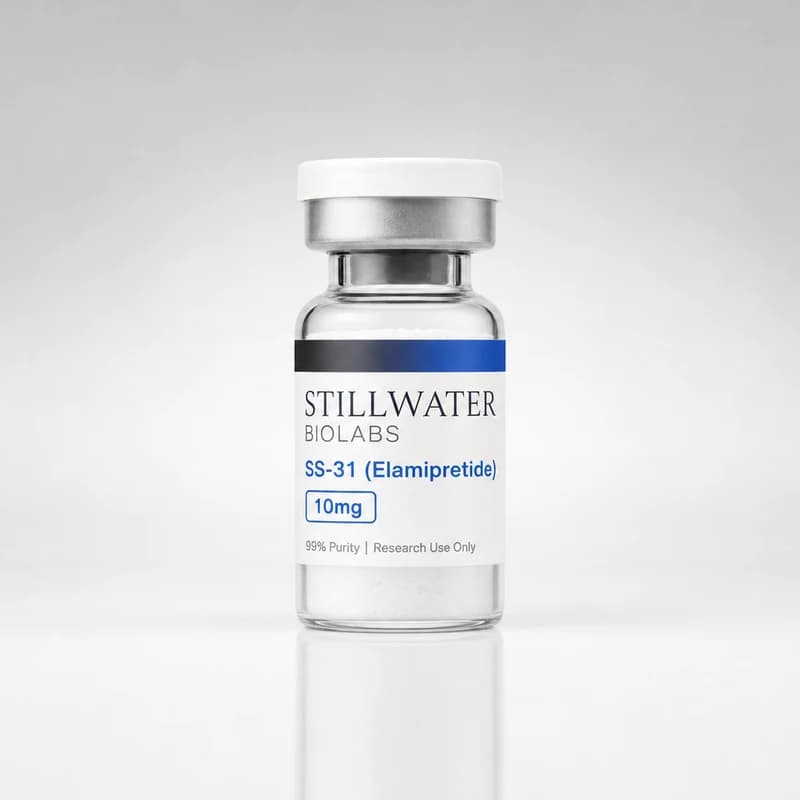
SS-31 (Elamipretide)
10mg – 50mg
A mitochondria-targeted peptide studied in preclinical cell-culture models of cellular energy regulation and mitochondrial-dysfunction research models.
Frequently Bought Together
NAD+
500mg
Request pricing
GHK-Cu
50mg
Request pricing
Epithalon
10mg
Request pricing