
≥99%
67727-97-3
327.42 g/mol
KPV
A synthetic tripeptide fragment derived from alpha-MSH studied for immune-signaling and inflammatory-marker modulation in preclinical studies.
Minimum order: 10 units per compound, across any mix of sizes.



Pay with Visa, Mastercard, or AMEX · ACH bank transfer saves 5%
Cold-chain shipping via UPS, with tracking provided. Freight and lead time are confirmed on your quote.
Third-party tested
Supplied to qualified labs and institutional buyers. Institutional use & buyer eligibility
Characteristics
| Property | Value |
|---|---|
| Molecular Formula | C₁₆H₂₉N₃O₄ |
| CAS Number | 67727-97-3 |
| Molar Mass | 327.42 g/mol |
| Amino Acid Sequence | Lys-Pro-Val |
| Synonyms | Alpha-MSH (11-13), KPV tripeptide, α-MSH C-terminal tripeptide |
| Physical Form | Lyophilized powder |
| Solubility | Soluble in water and DMSO |
| Organoleptic Profile | White to off-white lyophilized powder; odorless |
| Purity | ≥98% by HPLC |
| Storage Conditions | Store lyophilized at -20°C; reconstituted solution stable at 2-8°C for up to 7 days |
How is KPV Used in Research?
KPV is a naturally occurring tripeptide consisting of lysine-proline-valine, derived from the C-terminal sequence of alpha-melanocyte-stimulating hormone (α-MSH). Despite being only three amino acids in length, KPV retains significant inflammatory-marker modulation activity in preclinical studies attributable to the parent hormone. Research has demonstrated that KPV exerts its effects primarily through inhibition of the NF-κB signaling pathway, a master regulator of inflammatory gene expression. This mechanism has been documented in multiple cell types including colonocytes, keratinocytes, and immune cells.
Preclinical studies have highlighted KPV's activity in gastrointestinal inflammation research models. Studies using murine colitis research models have shown that KPV can modulate inflammatory markers and attenuate tissue-damage readouts when administered orally or via nanoparticle delivery systems. The peptide has been shown to inhibit the activation of NF-κB by preventing the phosphorylation and degradation of IκBα, thereby reducing the transcription of pro-inflammatory cytokine markers including TNF-α, IL-1β, and IL-6.
Beyond gastrointestinal preclinical models, KPV has been investigated for its immunomodulatory properties in dermatological research models. Its parent peptide α-MSH is known to signal through melanocortin receptors, and KPV appears to retain some capacity to interact with these receptor pathways, contributing to its broad inflammatory-marker modulation profile across multiple tissue research models.
This product is supplied in a lyophilized form and requires reconstitution prior to laboratory handling. For research and laboratory use only. Not for human or veterinary consumption.
Areas of Study
Inflammatory-Marker Signaling
Investigated for potent inhibition of NF-κB pathway activation and downstream modulation of pro-inflammatory cytokine expression markers in multiple cell types.
Immune Modulation
Studied for modulation of innate and adaptive immune responses through melanocortin receptor-related pathways.
GI Epithelial Cell Models & Colitis Research
Preclinical colitis research models demonstrate modulation of intestinal inflammatory markers and tissue-damage readouts with oral or nanoparticle-delivered KPV.
NF-κB Signaling
Mechanistic studies reveal inhibition of IκBα phosphorylation and degradation, suppressing NF-κB nuclear translocation.
Dermatological Research
Investigated for inflammatory-marker modulation in skin cell-culture models through melanocortin receptor interactions.
References
- [1]Kannengiesser K, Maaser C, Heidemann J, et al. (2008). Melanocortin-derived tripeptide KPV has anti-inflammatory potential in murine models of inflammatory bowel disease. Inflammatory Bowel Diseases, 14(3), 324-331.
- [2]Brzoska T, Luger TA, Maaser C, et al. (2008). Alpha-melanocyte-stimulating hormone and related tripeptides: biochemistry, antiinflammatory and protective effects in vitro and in vivo. Endocrine Reviews, 29(5), 581-602.
- [3]Dalmasso G, Charrier-Hisamuddin L, Nguyen HT, et al. (2008). PepT1-mediated tripeptide KPV uptake reduces intestinal inflammation. Gastroenterology, 134(1), 166-178.
- [4]Luger TA, Brzoska T. (2007). Alpha-MSH related peptides: a new class of anti-inflammatory and immunomodulating drugs. Annals of the Rheumatic Diseases, 66(Suppl 3), iii52-iii55.
Disclaimer: The information provided is for research reference only and does not constitute medical advice. Products are sold strictly for in-vitro research use.
Certificate of Analysis (COA)
Third-Party Verified Quality
Every batch of KPV is independently tested by an A2LA-accredited (ISO 17025:2017) third-party laboratory using HPLC-UV/VIS for purity and measured quantity. Each COA carries the lab's signed report and a batch-specific lot number. We publish these results publicly so you can verify exactly what you're getting.
View Lab ResultsRelated Products
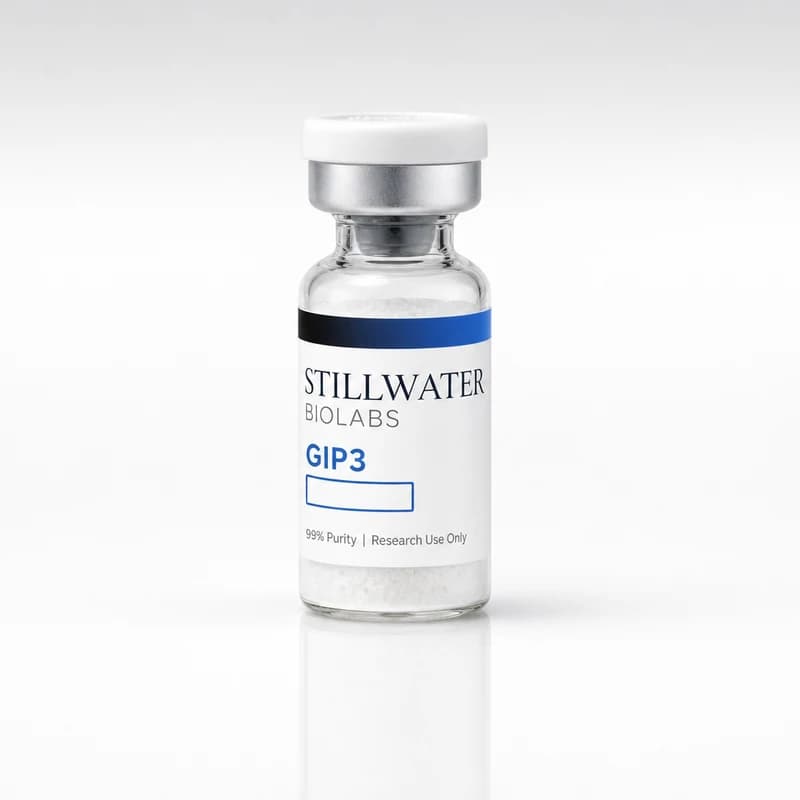 3-for-2
GIP3
10mg – 30mg
Triple-agonist research peptide targeting GIP, glucagon, and incretin receptors in preclinical metabolic studies.
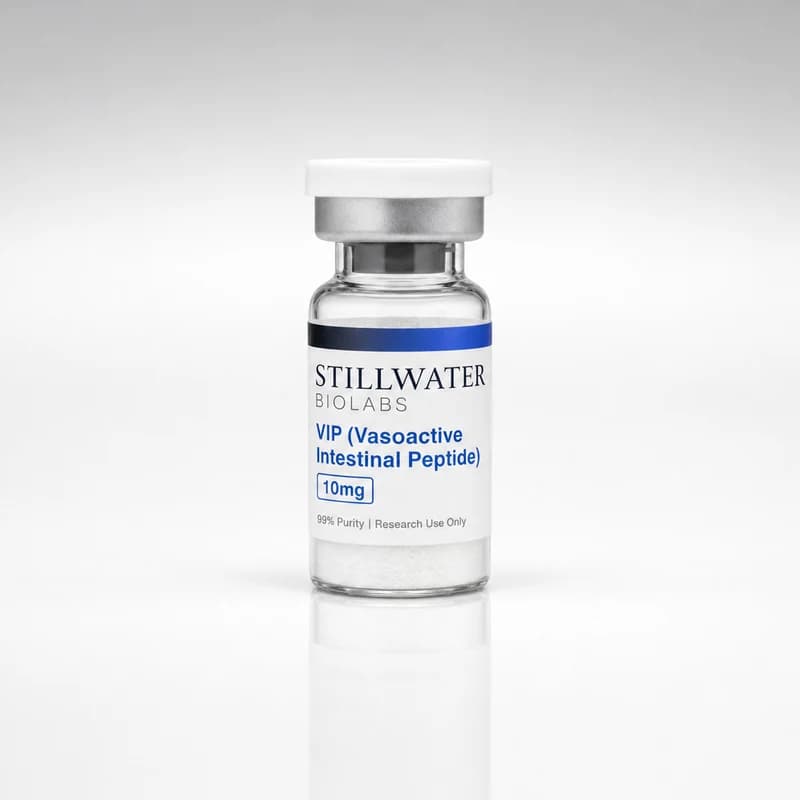
VIP (Vasoactive Intestinal Peptide)
10mg
A 28-amino acid neuropeptide studied in preclinical models for immune-regulation, vasodilation assays, and neuroprotective assay models.
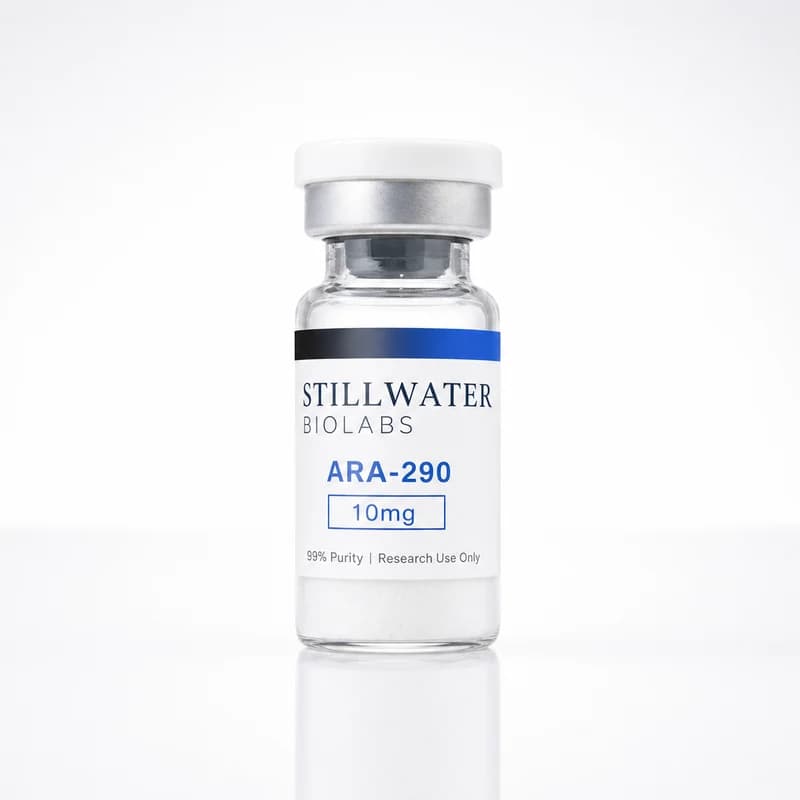
ARA-290
10mg
ARA-290 is an 11-amino acid synthetic peptide derived from erythropoietin supplied as a lyophilized research standard for in-vitro receptor-binding assays and structural characterization. Not for use in any living organism.
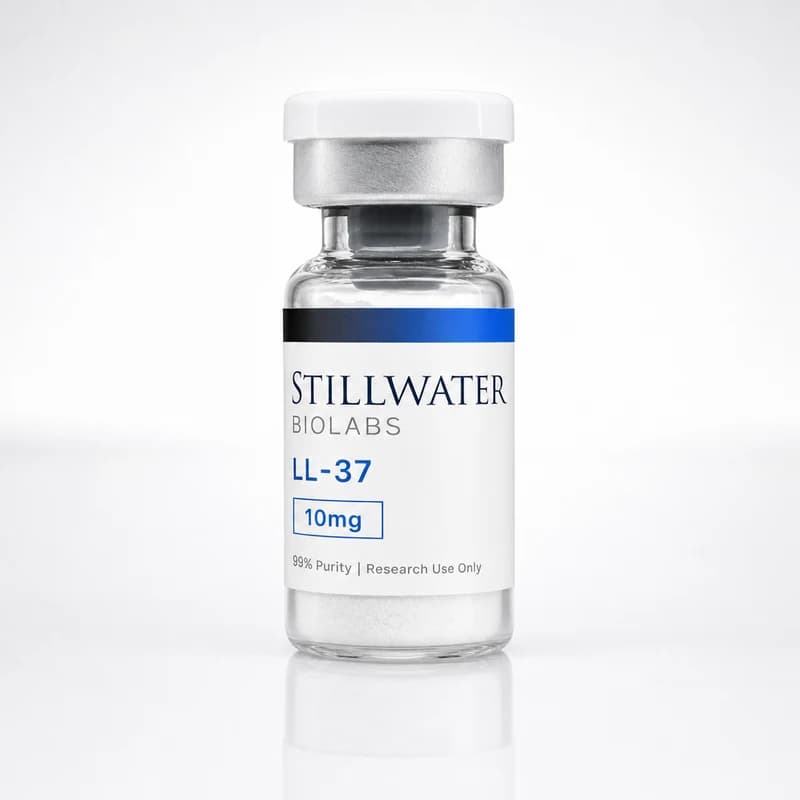
LL-37
5mg
Cathelicidin-derived antimicrobial peptide (37 amino acids) supplied as a lyophilized reference standard for in-vitro innate-immune and antimicrobial-research workflows.
Frequently Bought Together
KPV
10mg
Request pricing
GIP3
10mg
Request pricing
VIP (Vasoactive Intestinal Peptide)
10mg
Request pricing