
≥98%
4625.28 g/mol
GIP3
Triple-agonist research peptide targeting GIP, glucagon, and incretin receptors in preclinical metabolic studies.
Minimum order: 10 units per compound, across any mix of sizes.
Applied automatically at checkout. No code needed.



Pay with Visa, Mastercard, or AMEX · ACH bank transfer saves 5%
Cold-chain shipping via UPS, with tracking provided. Freight and lead time are confirmed on your quote.
Third-party tested
Supplied to qualified labs and institutional buyers. Institutional use & buyer eligibility
Certificate of Analysis
Independent third-party verification · Vanguard Laboratory · ISO 17025:2017 · A2LA #6377.01.01
Purity
>99.80% ± 0.18%
Method
HPLC-UV/VIS
Lot
Clear Cap
Test Date
Feb 26, 2026
Measured Fill
10.82 mg
Report ID
V260212-5 001
For laboratory research use only. Not for human or veterinary use. Not for diagnostic or therapeutic use.
Characteristics
| Property | Value |
|---|---|
| Molar Mass | ~4605 g/mol |
| Amino Acid Sequence | 39-amino acid peptide; triple agonist acting on GIP, glucagon, and incretin receptors |
| Synonyms | GIP3, triple incretin research compound |
| Physical Form | Lyophilized powder |
| Solubility | Soluble in aqueous buffers |
| Organoleptic Profile | White to off-white lyophilized powder; odorless |
| Storage Conditions | Store lyophilized at -20°C to 2-8°C; protect from light and moisture |
| Composition | Lyophilized peptide base |
How is GIP3 Used in Research?
GIP3 is a novel triple hormone receptor agonist research compound that simultaneously activates GIP, glucagon, and incretin receptors. This tri-agonist approach represents the next evolution in incretin-based pharmacology research, building on dual agonism by incorporating glucagon receptor activity. In preclinical studies in rodent models, glucagon receptor agonism has been associated with increased energy-expenditure parameters, hepatic lipid-oxidation markers, and thermogenesis-related readouts, while the GIP and incretin components modulate appetite-behavior and glycemic parameters in preclinical metabolic-parameter studies in rodent models.
The glucagon receptor component of this tri-agonist's activity profile is of particular scientific interest. Glucagon receptor agonism promotes hepatic glycogenolysis and gluconeogenesis, which under normal circumstances would elevate blood glucose. However, the concurrent GIP and incretin receptor agonism appears to counterbalance this hyperglycemic potential in preclinical systems while allowing the metabolic signaling effects of glucagon, including energy-expenditure parameters, lipolysis markers, and amino-acid catabolism, to be studied in research models.
Preclinical studies in rodent models have demonstrated that rationally designed triple agonist peptides produce distinct preclinical metabolic-parameter profiles compared to dual or single agonists, including shifts in body-composition parameters, glucose-tolerance markers, and hepatic steatosis readouts in animal research models. These findings have generated substantial research interest in tri-agonism as a preclinical pharmacology research strategy.
This product is supplied in a lyophilized form and requires reconstitution prior to laboratory handling. For research and laboratory use only. Not for human or veterinary consumption.
Areas of Study
Triple Incretin Receptor Pharmacology
Tri-agonist engaging GIP, glucagon, and incretin receptors simultaneously in preclinical metabolic-parameter studies in rodent models, beyond dual agonism.
Energy Expenditure & Thermogenesis
Glucagon receptor agonism component studied for effects on energy-expenditure parameters and thermogenic markers in brown adipose tissue in rodent research models.
Hepatic Lipid Metabolism
Investigated for hepatic lipid-oxidation markers and steatosis-related readouts through combined incretin and glucagon receptor signaling in preclinical models.
Glycemic Regulation
Studied in preclinical models for glycemic-parameter shifts where the glucagon component's hyperglycemic potential is counterbalanced by GIP/incretin activity.
Body-Composition Research
Preclinical rodent studies demonstrate body-composition parameter shifts compared to single or dual receptor agonists.
References
- [1]Finan B, Yang B, Ottaway N, et al. (2015). A rationally designed monomeric peptide triagonist corrects obesity and diabetes in rodents. Nature Medicine, 21(1), 27-36.
Disclaimer: The information provided is for research reference only and does not constitute medical advice. Products are sold strictly for in-vitro research use.
Related Products
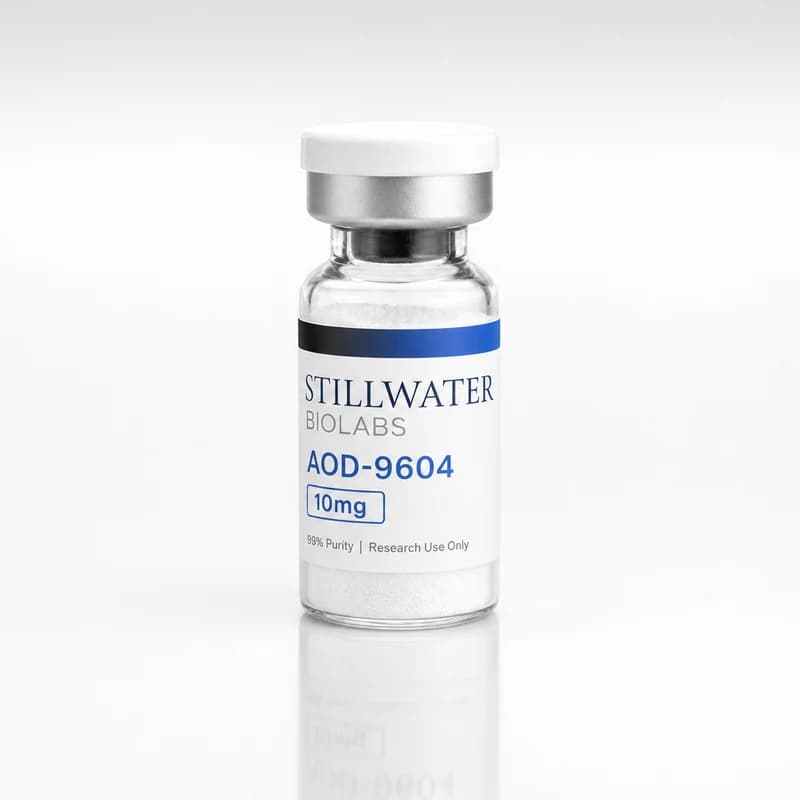
AOD-9604
5mg
AOD-9604 is a modified C-terminal fragment of human growth hormone supplied as a lyophilized research standard for in-vitro lipolysis assays and receptor-binding studies. Not for use in any living organism.
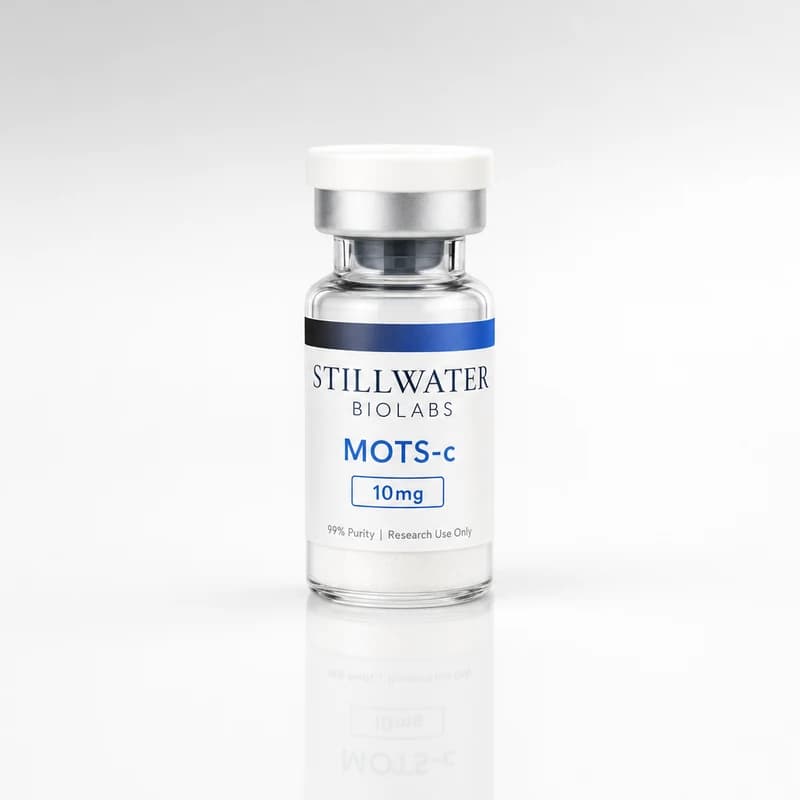
MOTS-c
10mg – 40mg
A mitochondrial-derived peptide studied for cellular energy regulation and metabolic signaling.
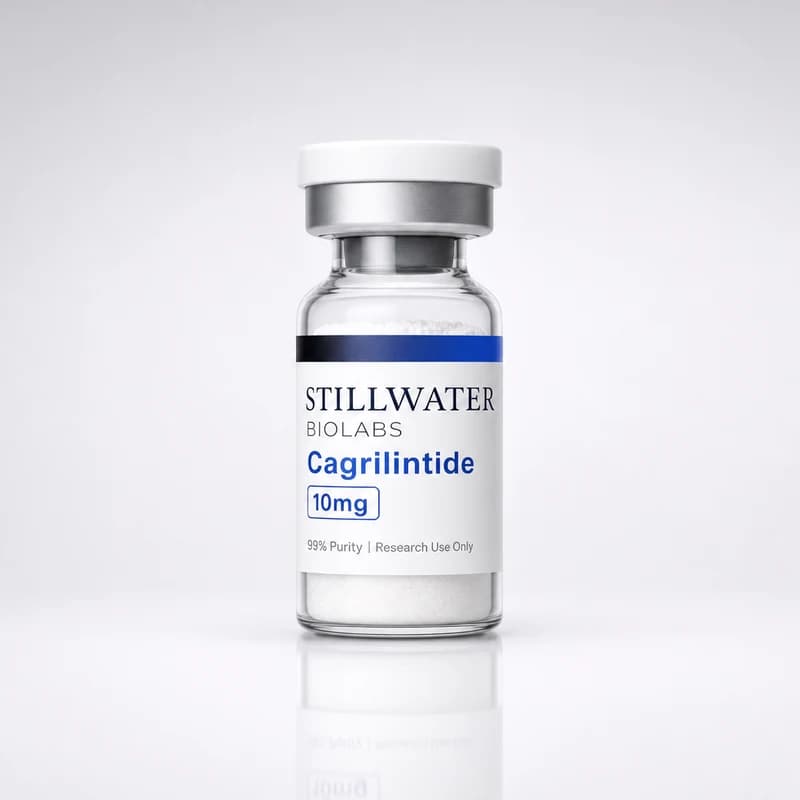
Cagrilintide
10mg
A long-acting amylin-receptor analog supplied as a lyophilized reference standard for in-vitro amylin/calcitonin receptor-binding assays and metabolic-pathway research. Not for use in any living organism.
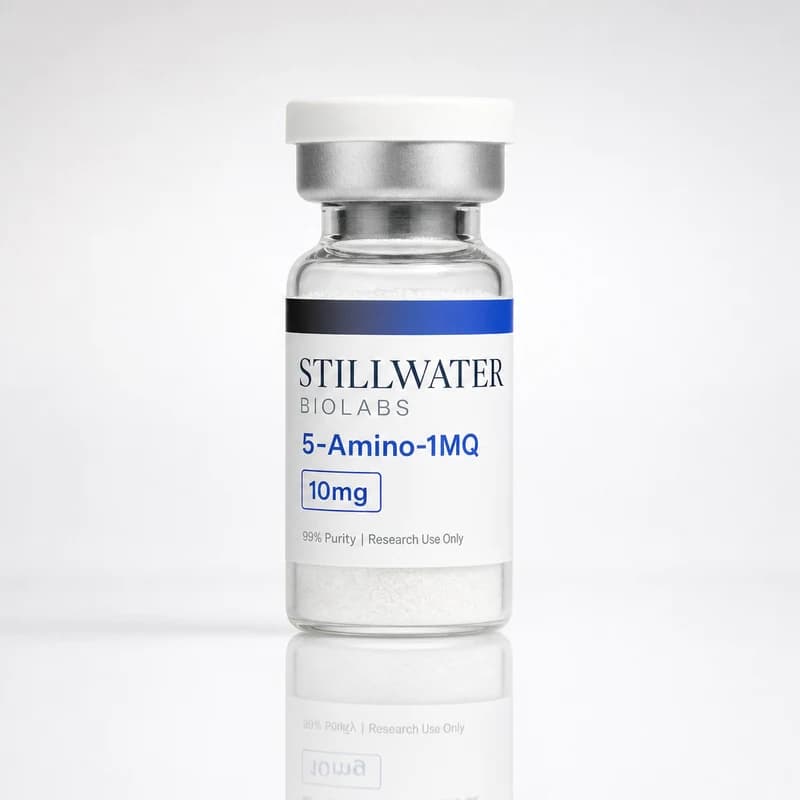
5-Amino-1MQ
5mg
A small molecule NNMT inhibitor studied for cellular metabolism and NAD+ pathway regulation.
Frequently Bought Together
GIP3
10mg
Request pricing
AOD-9604
5mg
Request pricing
MOTS-c
10mg
Request pricing