
≥99%
77591-33-4
4963.50 g/mol
TB-500
A 43-amino acid synthetic peptide (Thymosin Beta-4 fragment) supplied as a lyophilized powder for in-vitro actin-binding assays and cell-migration studies.
Minimum order: 10 units per compound, across any mix of sizes.



Pay with Visa, Mastercard, or AMEX · ACH bank transfer saves 5%
Cold-chain shipping via UPS, with tracking provided. Freight and lead time are confirmed on your quote.
Third-party tested
Supplied to qualified labs and institutional buyers. Institutional use & buyer eligibility
Characteristics
| Property | Value |
|---|---|
| Molecular Formula | C₂₁₂H₃₅₀N₅₆O₇₈S |
| CAS Number | 77591-33-4 |
| Molar Mass | 4963.44 g/mol |
| Amino Acid Sequence | 43-amino acid fragment of Thymosin Beta-4 (Tβ4) |
| Synonyms | Thymosin Beta-4 fragment, Tβ4, TB4 |
| Physical Form | Lyophilized powder |
| Solubility | Soluble in aqueous buffer; reconstitute for in-vitro laboratory use only |
| Organoleptic Profile | White lyophilized powder; odorless |
| Storage Conditions | Store lyophilized at -20°C; reconstituted solution stable at 2-8°C for up to 10 days |
| Composition | Lyophilized Thymosin Beta-4 acetate salt |
How is TB-500 Used in Research?
TB-500 is a synthetic version of the naturally occurring 43-amino acid peptide Thymosin Beta-4 (Tβ4), which is found in virtually all mammalian cells. Thymosin Beta-4 plays a fundamental role in cellular processes including actin polymerization, cell migration, and differentiation. As the primary intracellular G-actin sequestering peptide, it regulates actin dynamics that are critical for cell motility, organogenesis, and tissue-repair research models. Research interest in TB-500 centers on its activity in in-vitro wound-assay outcomes, inflammatory-marker modulation in preclinical studies, and tissue-remodeling research models.
Preclinical studies have characterized Thymosin Beta-4 in dermal and corneal epithelial cell-culture models, cardiac research models following myocardial ischemia induction, and central nervous system preclinical research models. The peptide upregulates the expression of laminin-5, a key component of the extracellular matrix, and promotes the migration of endothelial cells and keratinocytes in cell-migration kinetics studies. In cardiac preclinical research, Tβ4 has been shown to activate epicardium-derived progenitor cells and to modulate infarct-size parameters in rodent research models.
Additional research has explored TB-500's inflammatory-marker modulation profile. The peptide has been reported to downregulate pro-inflammatory cytokine markers and to modulate NF-κB signaling pathways. Studies in equine research models have investigated its effects on tendon and ligament preclinical-model parameters, while ophthalmic research has examined its activity in corneal epithelial cell-culture models. These findings suggest a multifaceted mechanism of action extending across multiple tissue-repair research models.
This product is supplied in a lyophilized form and requires reconstitution prior to laboratory handling. For research and laboratory use only. Not for human or veterinary consumption.
Areas of Study
In-Vitro Wound-Assay Outcomes
Examined in dermal wound-closure assays through upregulation of laminin-5 and promotion of endothelial-cell and keratinocyte migration kinetics.
Cardiac Research Models
Investigated for infarct-size parameter modulation and activation of epicardium-derived progenitor cells in myocardial ischemia research models.
Inflammatory-Marker Modulation
Research demonstrates downregulation of pro-inflammatory cytokine markers and modulation of NF-κB signaling pathways in preclinical studies.
Corneal Epithelial Cell-Culture Models
Studied in corneal epithelial cell-culture models and inflammatory-marker modulation in ophthalmic preclinical research.
Musculoskeletal Research Models
Examined for activity in tendon and ligament tissue-repair research models through modulation of extracellular matrix deposition and cellular migration.
References
- [1]Goldstein AL, Hannappel E, Sosne G, Kleinman HK. (2012). Thymosin β4: a multi-functional regenerative peptide. Basic properties and clinical applications. Expert Opinion on Biological Therapy, 12(1), 37-51.
- [2]Sosne G, Qiu P, Goldstein AL, Wheater M. (2010). Biological activities of thymosin β4 defined by active sites in short peptide sequences. FASEB Journal, 24(7), 2144-2151.
- [3]Bock-Marquette I, Saxena A, White MD, et al. (2004). Thymosin β4 activates integrin-linked kinase and promotes cardiac cell migration, survival and cardiac repair. Nature, 432(7016), 466-472.
- [4]Philp D, Huff T, Gho YS, et al. (2003). The actin binding site on thymosin β4 promotes angiogenesis. FASEB Journal, 17(14), 2103-2105.
- [5]Smart N, Risebro CA, Melville AA, et al. (2007). Thymosin β4 induces adult epicardial progenitor mobilization and neovascularization. Nature, 445(7124), 177-182.
Disclaimer: The information provided is for research reference only and does not constitute medical advice. Products are sold strictly for in-vitro research use.
Certificate of Analysis (COA)
Third-Party Verified Quality
Every batch of TB-500 is independently tested by an A2LA-accredited (ISO 17025:2017) third-party laboratory using HPLC-UV/VIS for purity and measured quantity. Each COA carries the lab's signed report and a batch-specific lot number. We publish these results publicly so you can verify exactly what you're getting.
View Lab ResultsRelated Products
 3-for-2
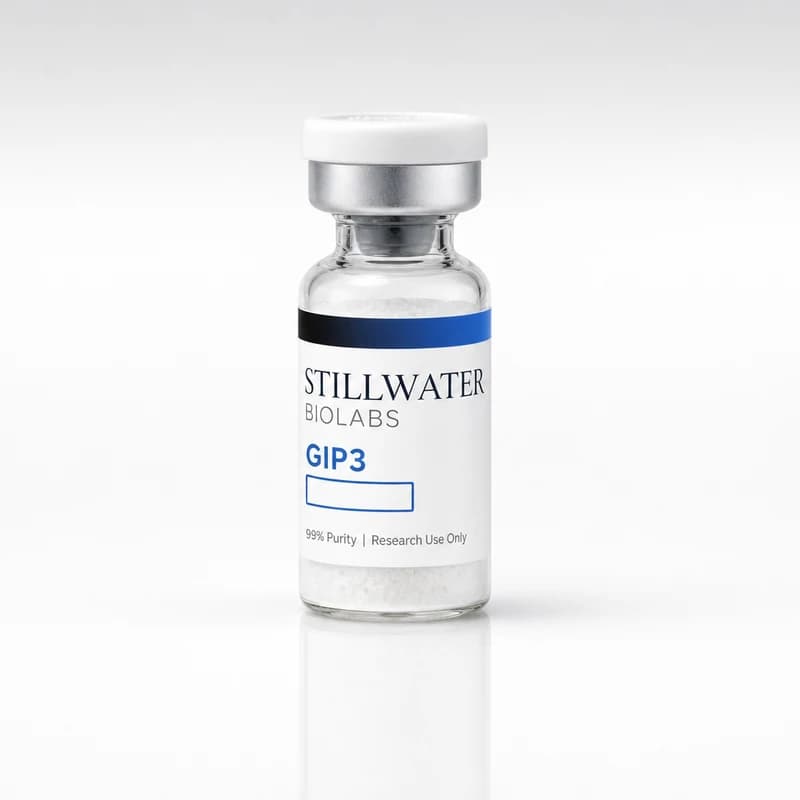
GIP3
10mg – 30mg
Triple-agonist research peptide targeting GIP, glucagon, and incretin receptors in preclinical metabolic studies.
 Best Seller
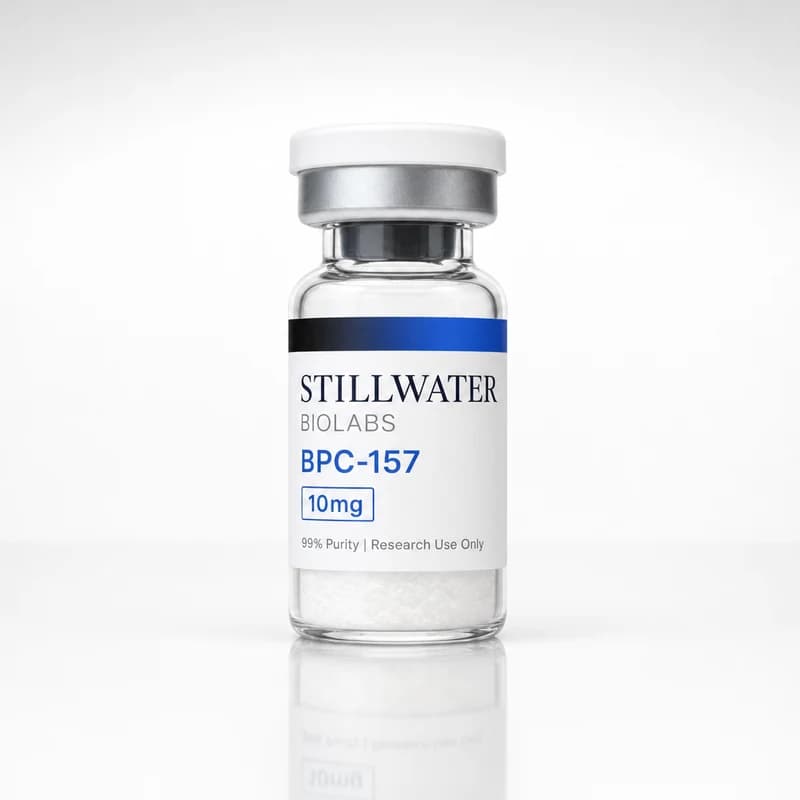
BPC-157
5mg – 10mg
A 15-amino acid synthetic peptide fragment derived from human gastric juice protein, supplied as a lyophilized research reference standard for in-vitro cytoprotection assays and receptor-binding studies.
 Best Value
BPC-157 + TB-500 Blend
10mg (5mg/5mg) – 20mg (10mg/10mg)
A lyophilized blend combining BPC-157 (15 aa, 1419.53 g/mol) and TB-500 (43 aa, 4963.50 g/mol) for in-vitro co-incubation and synergy assays.
Frequently Bought Together
TB-500
5mg
Request pricing
GIP3
10mg
Request pricing
BPC-157
5mg
Request pricing